Behaviour Policy
The school community aims to create a safe, caring and stimulating environment for all pupils. Rules support and maintain our ethos of care for each other, the school environment and the community. We aim to be polite and fair in our dealings by keeping calm, listening carefully, being sensitive to others’ point of view, being consistent, and using praise and positive reinforcement
Purpose
• To foster an orderly and caring school climate
• To encourage self-discipline
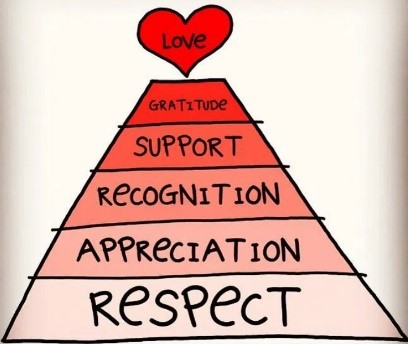
• To promote respect for each other.
The policy pivots on four elements of positive behaviour:
Rights: all pupils have the right to be treated with respect, to be listened to, to be safe and to learn in a caring and tranquil environment.
Responsibilities: all pupils are responsible for their actions. Pupils are given the opportunity to learn how to reflect on the consequences of their actions.
Rules: school rules describe the expected behaviour from pupils.
Relationships: positive relationships are built on positive behaviour. Pupils are encouraged to form and maintain positive relationships amongst themselves, and with adults.
Golden Rules:
Be gentle
Be kind and helpful
Listen to people
Be honest
Work hard
Look after property
Celebration of Pupils’ Achievements
Educators may choose to reward positive behaviour in a variety of ways: verbal praise; reward chart systems; or use of stickers.
Certificates of Merit for Primary Students
These are given out to pupils during Assemblies for excellence in behaviour, in academic effort and in implementing the Golden Rules.
Consequences of undesired Behaviour
Misbehaviour which is minor in nature is dealt with using non-verbal or verbal warnings from educators. Other consequences of negative behaviour may include
Sitting on a separate chair, such as the Thinking Chair where a pupil is encouraged to reflect on his/her behaviour;
Being sent to the Deputy Head or Head of School.